
Iridite Coating
Engineered for precision and protection—our Iridite Coating service delivers superior corrosion resistance, conductivity, and paint adhesion for aluminum parts. MIL-DTL-5541F compliant, reliable, and built to last.


Trusted by aerospace OEMs, defense integrators, and electronics manufacturers for critical metal finishing.
Iridite Coating Services
Iridite coatings—also referred to as chromate conversion coatings—are chemical surface treatments applied to aluminum and its alloys to enhance corrosion resistance, provide electrical conductivity, and improve paint adhesion. Often specified under MIL-DTL-5541 and RoHS-compliant variants, Iridite is the go-to coating for industries demanding performance without adding thickness or compromising part tolerance.
At Diamond Metal Finishing, we specialize in precision-applied Iridite coatings for aerospace, electronics, defense, and general industrial applications. Whether your goal is conductivity, corrosion protection, or paint prep—our process delivers consistent, clean results. Iridite coatings are especially valued for their non-build-up nature, making them ideal for parts with tight tolerances or critical grounding requirements. Need a passive yet powerful coating? Iridite delivers both function and form—minus the fuss.
Benefits of Iridite Coatings
- Provides excellent corrosion resistance for bare aluminum and alloys.
- Enhances paint, powder coat, and adhesive bonding—ideal as a primer layer.
- Maintains electrical conductivity, suitable for shielding and grounding.
- No significant buildup—preserves tight dimensional tolerances.
- RoHS-compliant trivalent options available (environmentally safer).
- Supports multiple colors for process verification (gold, clear, green).
- Offers consistent chemical passivation with low surface resistivity.
- Cost-effective alternative to anodizing in many industrial settings.
Iridite Coatings Specifications
| Attribute | Details |
|---|---|
| Standard | MIL-DTL-5541 (Class 1 & 3), ASTM B449, RoHS-compliant options |
| Thickness | No measurable build; typically less than 1 µm |
| Colors | Gold (hexavalent), Clear (trivalent), Green, Bronze |
| Compatible Alloys | 2000–7000 series aluminum and select magnesium alloys |
| Porosity | Seals micro-pores; enhances corrosion resistance |
| Electrical | Excellent conductivity; ideal for bonding and shielding |
| Adhesion | Improves paint/powder adhesion without primer |
Technical Specifications
- Process Type:
Iridite is applied through chemical immersion or brush-on methods, forming a thin conversion layer on aluminum surfaces via controlled oxidation. - Coating Thickness:
Iridite coatings are non-dimensional—they do not add measurable thickness, making them perfect for tight-tolerance parts. - Compatible Alloys:
Engineered for aluminum and aluminum alloys. Some versions are compatible with magnesium. - Porosity:
Creates a chemically bonded layer that enhances corrosion resistance without sealing off all electrical contact points. - Electrical Conductivity:
Class 3 Iridite coatings allow for low surface resistance, making them ideal for EMI/RFI shielding and ground paths. - Paint Adhesion:
Acts as a chemical anchor for powder coating, wet paint, or adhesive bonding. - Thermal Resistance:
Operates well in most ambient and industrial temperature settings; ideal for indoor and outdoor components. - Chemical Resistance:
Provides moderate chemical resistance, mainly against oxidizing environments—best used with topcoats for harsh exposure.
Design & Tolerance Best Practices
- Pre-Mask Conductive Areas
For Class 1 (non-conductive) coatings, be sure to mask areas needing conductivity. - Clean Surfaces Are Key
Ensure substrates are free of oxides, oils, and debris for optimal conversion. - Avoid Welding After Coating
Iridite is not weld-friendly—complete all fabrication before coating. - Paint Prep? Use Class 1
If you’re applying paint or powder coating, Class 1 is your friend. - Use Class 3 for Grounding Parts
Choose Class 3 for electrically active or bonded components. - Mind the Alloy
High-copper or non-aluminum alloys may require a different treatment—check compatibility first.
Why Choose DMF for Iridite Coatings?
- MIL-Spec & RoHS-Certified Process: Our coating lines meet MIL-DTL-5541 Class 1 & Class 3 specs, and we offer trivalent (RoHS-compliant) formulations for global environmental compliance.
- Zero-Dimension Coating Precision: With no thickness buildup, we ensure tight-tolerance parts stay within spec, even post-coating.
- Advanced Masking Techniques: We use custom fixturing and strategic masking to shield threads, grounding paths, and no-coat zones with clean definition.
- Batch to Bulk Flexibility: Whether you're coating a single housing or thousands of components, DMF scales with your needs—delivering consistent, reliable outcomes.
- Integrated Metal Finishing Expertise: Combine Iridite with anodizing, PTFE, or blasting for advanced multi-functional surfaces—all under one roof.
- Field-Tested Durability: Our coatings are trusted on aircraft, control units, circuit boards, solar frames, and more, where failure is not an option.
Iridite Coating for Different Industries
Aerospace
Ensures conductive bonding and corrosion protection on structural components, housings, and electrical connectors—without interfering with tight tolerances.
Defense
Applies low-glare, non-reflective surfaces that resist oxidation and enhance paint adhesion for field equipment, drone frames, and radar hardware.
Medical
Offers biocompatible and paint-friendly surfaces for diagnostic housings, instrument frames, and fixtures needing high precision and durability.
Automotive
Improves paint adhesion and corrosion resistance for aluminum trim, brackets, and EV housings—while preserving dimensional specs.
Electronics
Ideal for EMI/RFI shielding, conductive bonding, and corrosion protection on enclosures, connectors, and PCB components.
Architectural
Prepares aluminum panels, trims, and railings for durable powder coating—ensuring long-lasting aesthetics and corrosion protection.
Energy / Power
Safeguards solar panel frames, electrical junction boxes, and EV connectors with weather-stable corrosion protection.
Commercial
Prepares retail fixtures, kiosks, and displays for final coatings—ensuring clean adhesion and resistance to wear in high-use environments.
Chromate Conversion Certifications & Standards
- MIL-DTL-5541 Compliant
- ISO 9001:2015 Certified Facility
- RoHS & REACH Compliant Options
- Certificates of Conformance Available
Frequently Asked Questions (FAQs)
What is Iridite Coating, and how is it different from anodizing or powder coating?
Iridite Coating, also known as chromate conversion coating, is a chemical surface treatment applied to aluminum and its alloys to enhance corrosion resistance and improve paint or powder adhesion. Unlike anodizing, it doesn’t add thickness or change part dimensions, and unlike powder coating, it provides protection without a painted look. It’s especially useful when electrical conductivity needs to be preserved.
Is Iridite Coating the same as Chem Film or Alodine?
Yes! These are often used interchangeably. Alodine is a trade name, Chem Film is a common industry term, and Iridite is another branded name. They all refer to the same process: chromate conversion coating.
What kind of materials can be treated with Iridite Coating?
Iridite Coating is mainly used on aluminum and aluminum alloys. It’s ideal for parts where corrosion resistance is needed but a non-conductive or painted finish is not required.
Is Iridite Coating RoHS-compliant and environmentally safe?
We offer both hexavalent and trivalent Iridite Coatings. Trivalent coatings are RoHS-compliant and environmentally friendlier. If you’re unsure which one suits your needs, we’ll guide you based on your application and regulatory requirements.
Does Iridite Coating change the appearance of my parts?
It gives a light iridescent or golden finish (Class 1) or a clear to slightly yellowish tint (Class 3), but there’s no paint-like layer or texture added. The coating is ultra-thin and barely visible on some alloys.
How thick is Iridite Coating? Will it affect part tolerances?
Not at all. Iridite Coating is typically less than 0.00001 inches thick—making it ideal for tight-tolerance parts. It offers protection without compromising measurements or fit.
Can Iridite Coating be used on parts that need to remain electrically conductive?
Yes, especially Class 3 coatings are designed to maintain electrical conductivity. This makes them ideal for electrical enclosures, connectors, and grounding parts.
How durable is Alodine 1200 compared to anodizing?
Alodine 1200 is not as thick or abrasion-resistant as anodizing, but it excels in corrosion resistance and conductivity. It’s ideal for parts that don’t require heavy wear resistance but still need protection and electrical continuity.
How durable is Iridite Coating in harsh environments?
While Iridite Coating is excellent for moderate corrosion protection, it’s not as durable as anodizing or powder coating in extreme environments. However, when used as a base layer beneath paint or powder, it significantly extends the service life of your parts.
Do you offer certification and testing for the coatings you apply?
Yes. All coatings are processed in compliance with MIL-DTL-5541F and can be accompanied with certifications, salt spray test reports, and process documentation, if requested.
Specifications
- MIL-PRF-32348 (Protective Coatings)
- MIL-PRF-8625 (Anodizing – General)
- MIL-PRF-8625F (Anodizing – Latest Revision)
- MIL-A-8625 (Original Anodizing Standard)
- MIL-DTL-5541 (Chemical Conversion Coating)
- MIL-DTL-5541F (Updated Conversion Coating)
Related Services
REQUEST CALLBACK
Advanced Metal Finishing Solutions
WHY CHOOSE US
Decades Of Industry Expertise
Trusted by leading manufacturers for solving complex finishing challenges.
ISO 9001 Compliant Quality Control
We meet rigorous aerospace, defense, and industrial standards—all delivered under one roof.
Two Facilities, Modern Equipment
Equipped to handle high-volume, high-spec projects with speed and accuracy across industries.
Eco-Conscious & Compliant
Sustainability isn’t an add-on—it’s engineered into every step of our process and facility design.
Our SERVICES
From Coating to Cutting—We Handle It All.
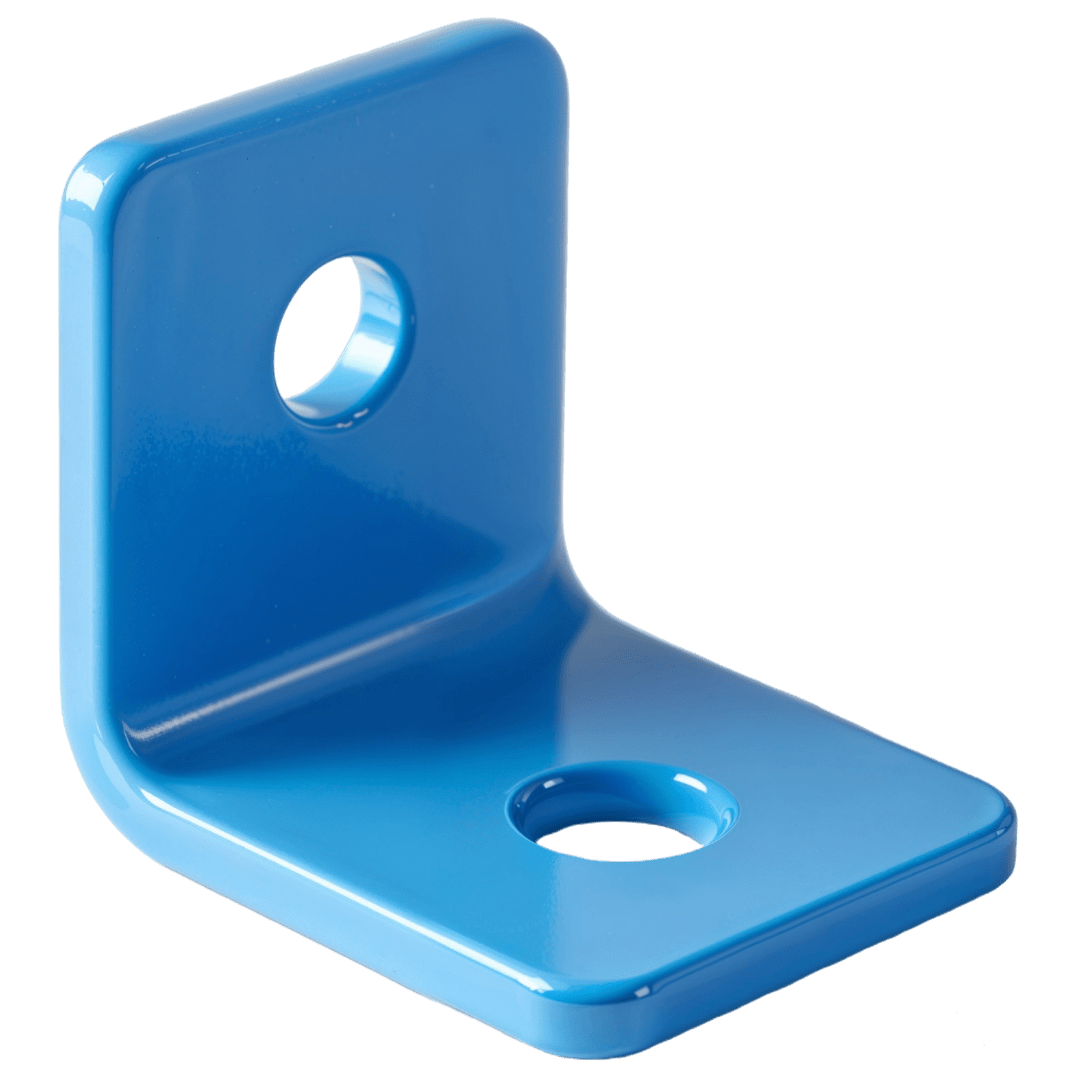
Powder Coating
Applies baked-on powder finishes to metal for a tough, vibrant, and protective coating. Ideal for durability, weather resistance, and enhancing both lifespan and appearance.
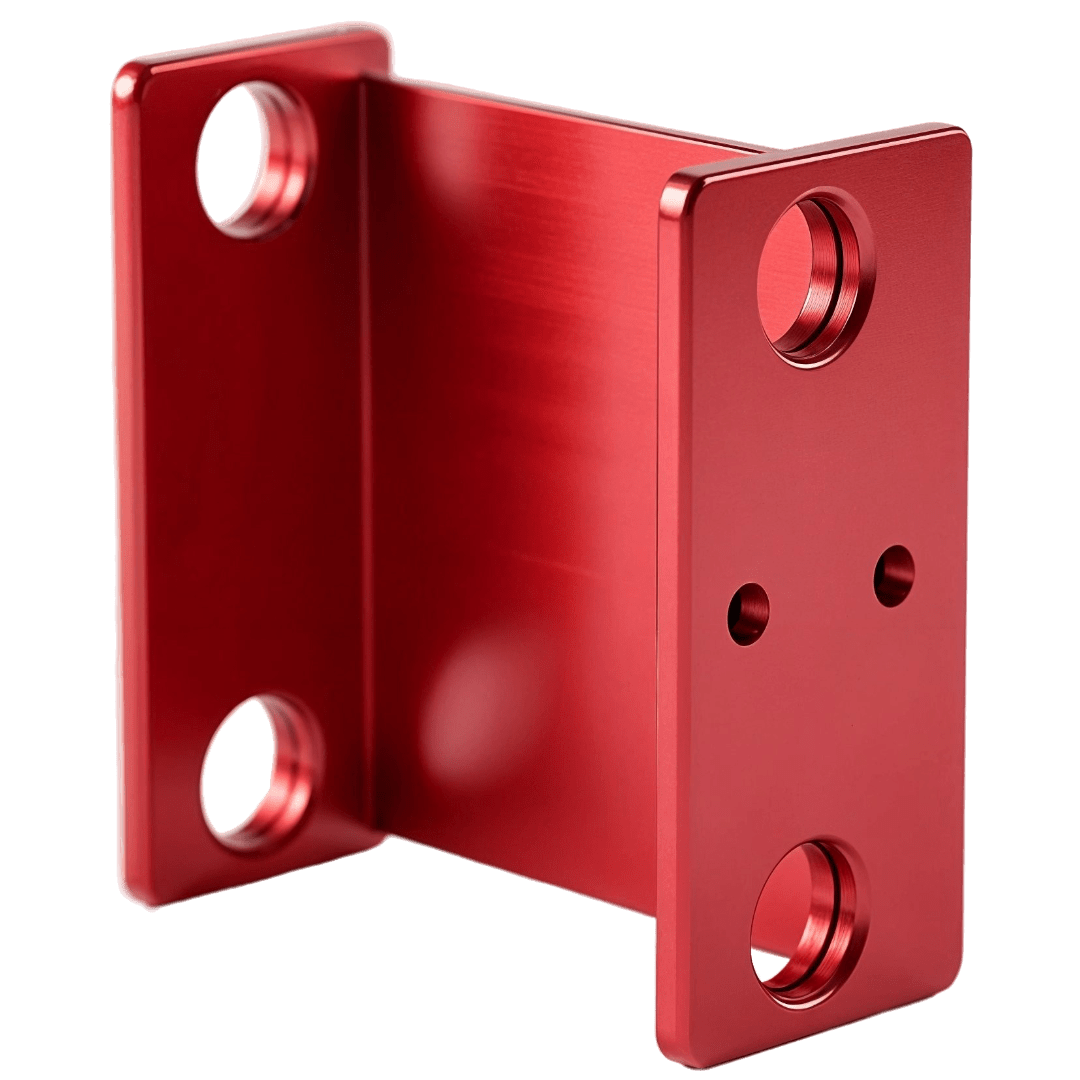
Anodizing
Converts aluminum surfaces into a durable oxide layer that boosts corrosion resistance, wear resistance, & electrical insulation—ideal for industrial, & decorative applications.
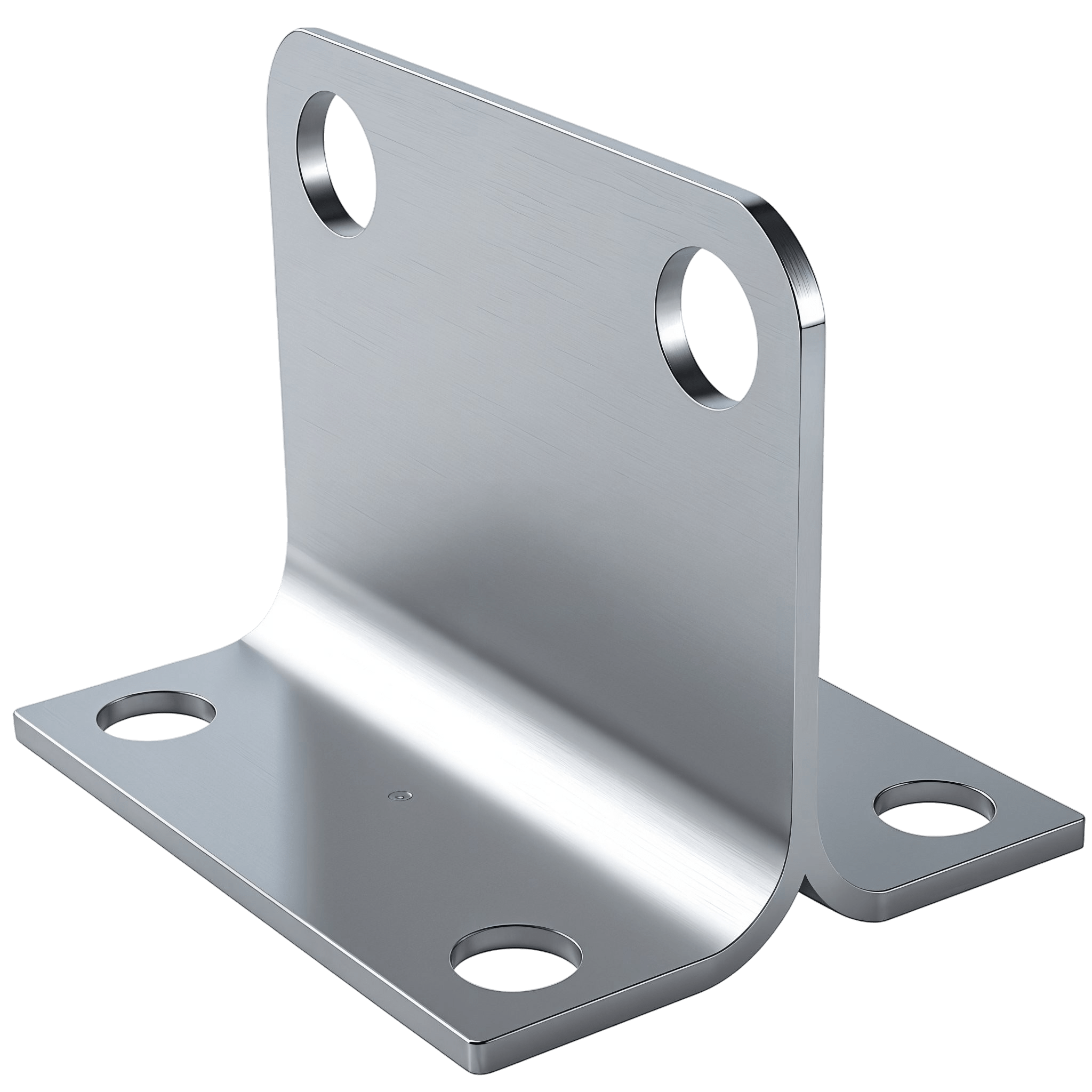
Chromate Conversion
Chemically treats metal to improve corrosion resistance and paint adhesion. Uses trivalent chromium compounds via dipping, spraying, or brushing to create a protective layer.
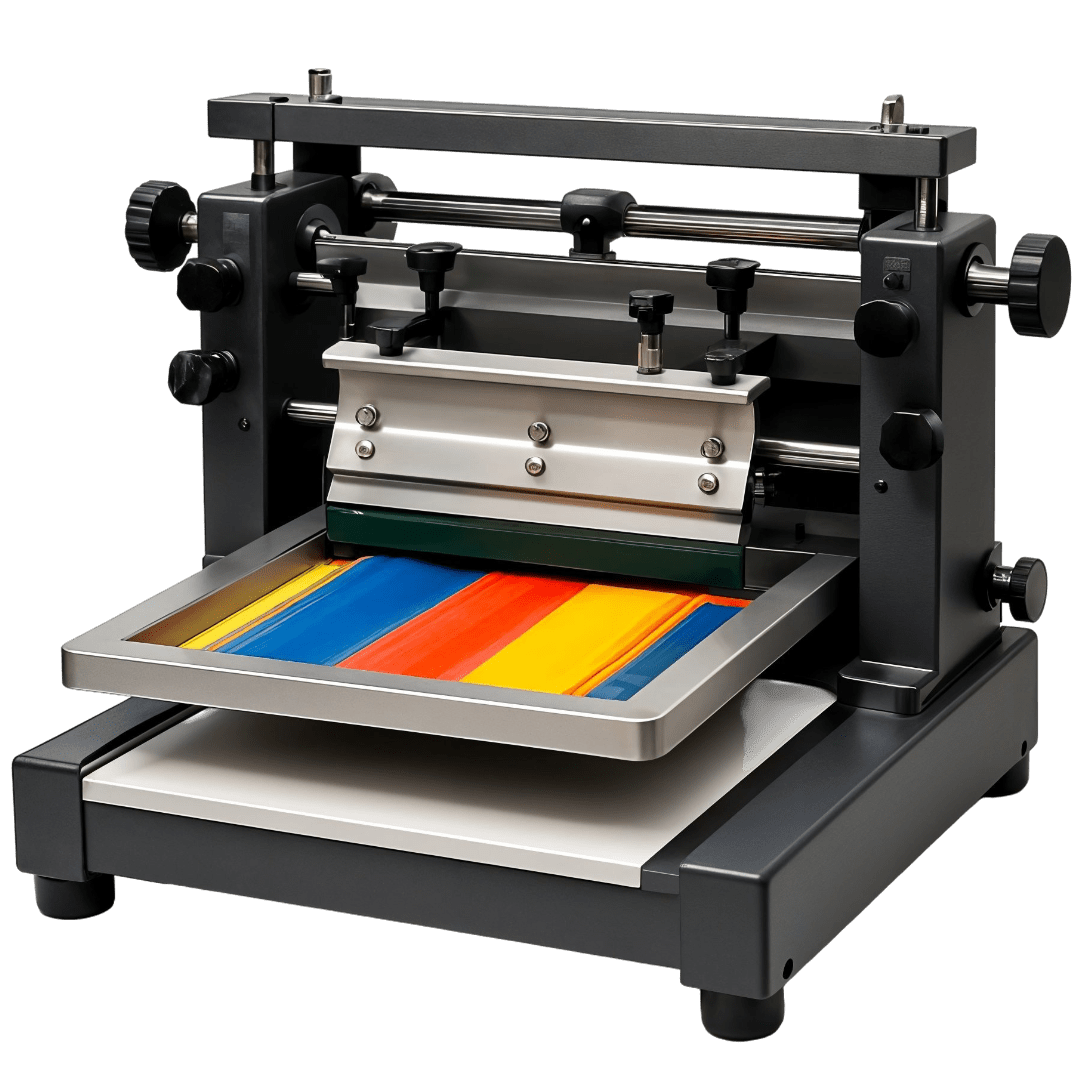
Screen Printing
Fast and economical method to print crisp, multi-color graphics on various materials. Great for labels, logos, and signs that require durability and long-lasting clarity.
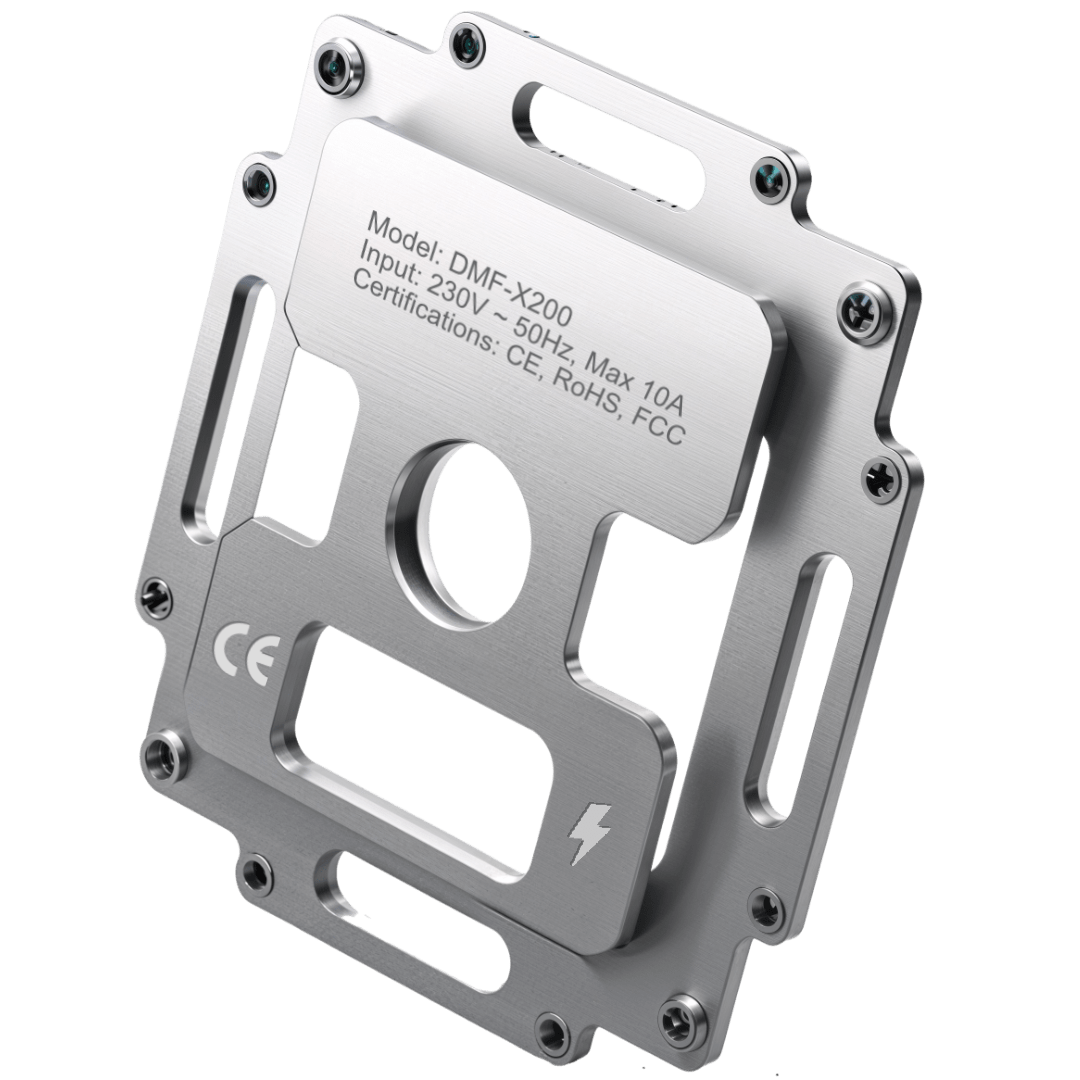
Laser Engraving
Uses lasers to mark metals with sharp, detailed, and lasting graphics or codes. Supports both deep engraving and surface etching, depending on project requirements.
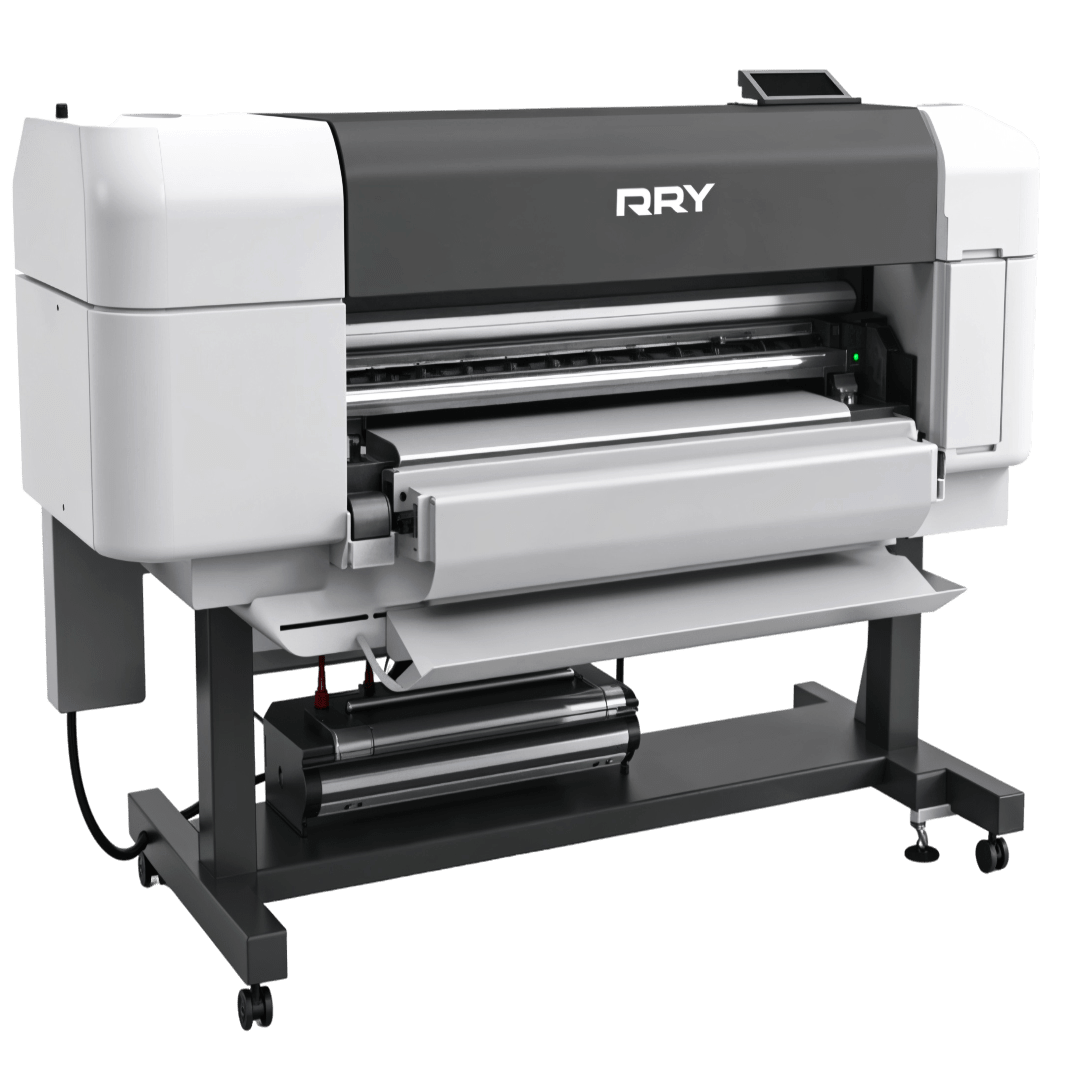
Digital Printing
Delivers full-color, high-resolution graphics and labels on multiple surfaces. Best for short runs, prototypes, and custom signage with minimal setup and fast turnaround.

Traffic Signs
Produces weatherproof, high-visibility signs built for long-term outdoor durability. Crisp graphics, reflective coatings, and rugged materials ensure compliance and performance.
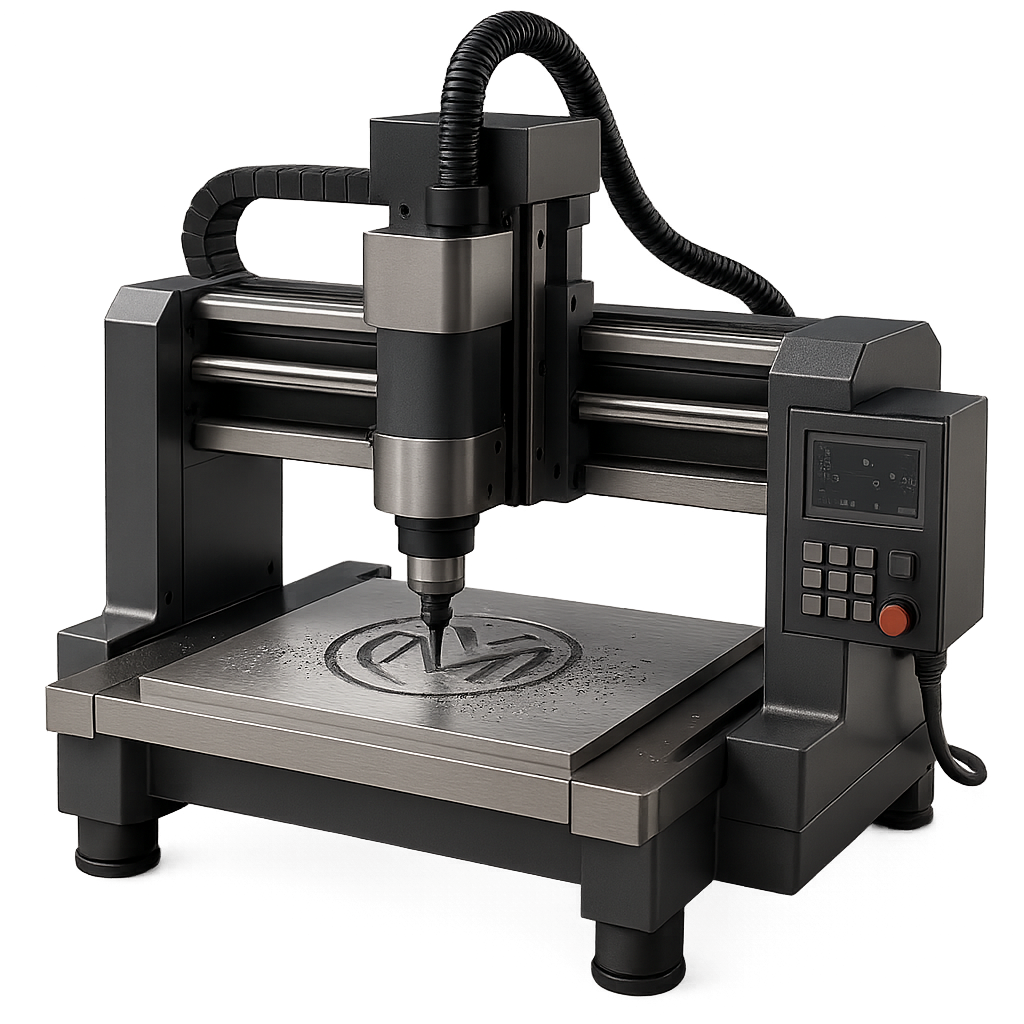
CNC Routing
Provides high-precision cutting of metal parts using computer-controlled machinery. Ideal for custom components, panels, and enclosures with clean edges & tight tolerances.
Our Facility
Built for Scale. Engineered for Speed.
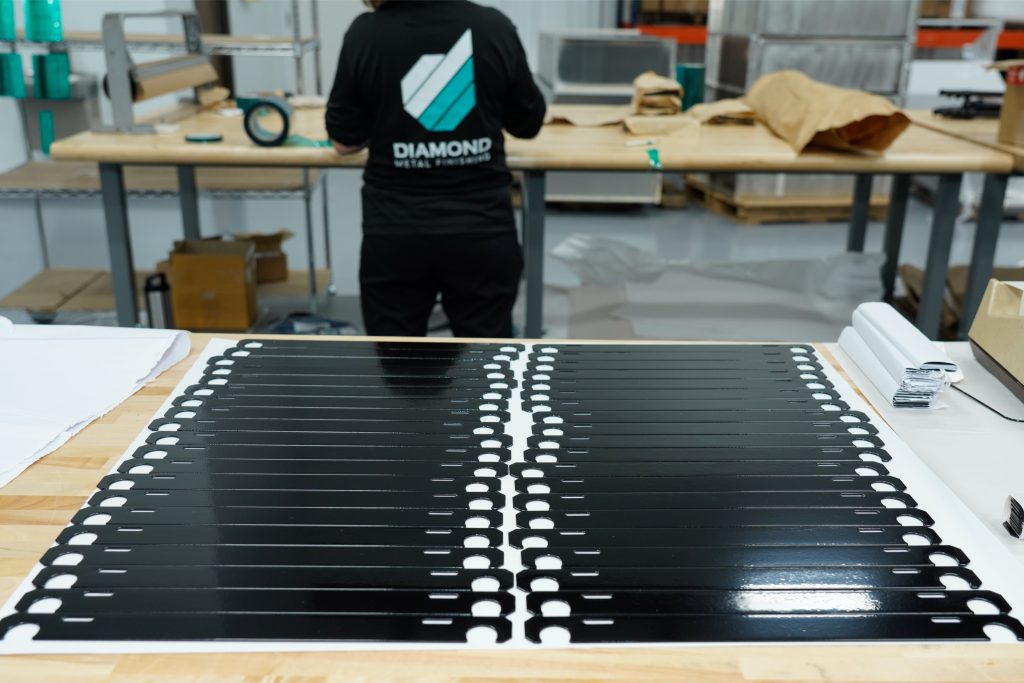
Streamlined
process & on-time-delivery.
Efficient With Quick Turnaround Times
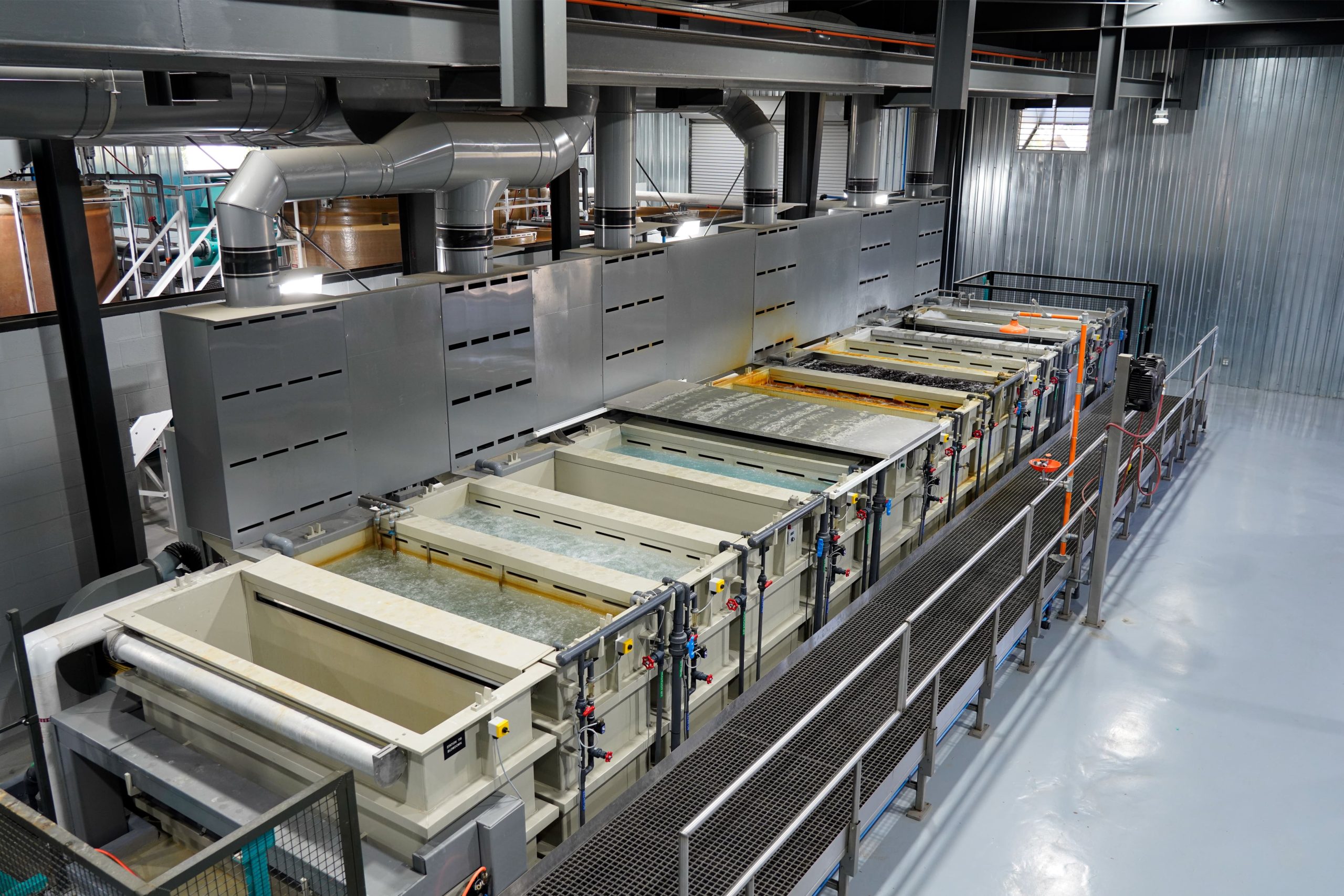
1st Facility
11,200+
sq-ft finishing facility.
Advanced Chemical Processing Facility
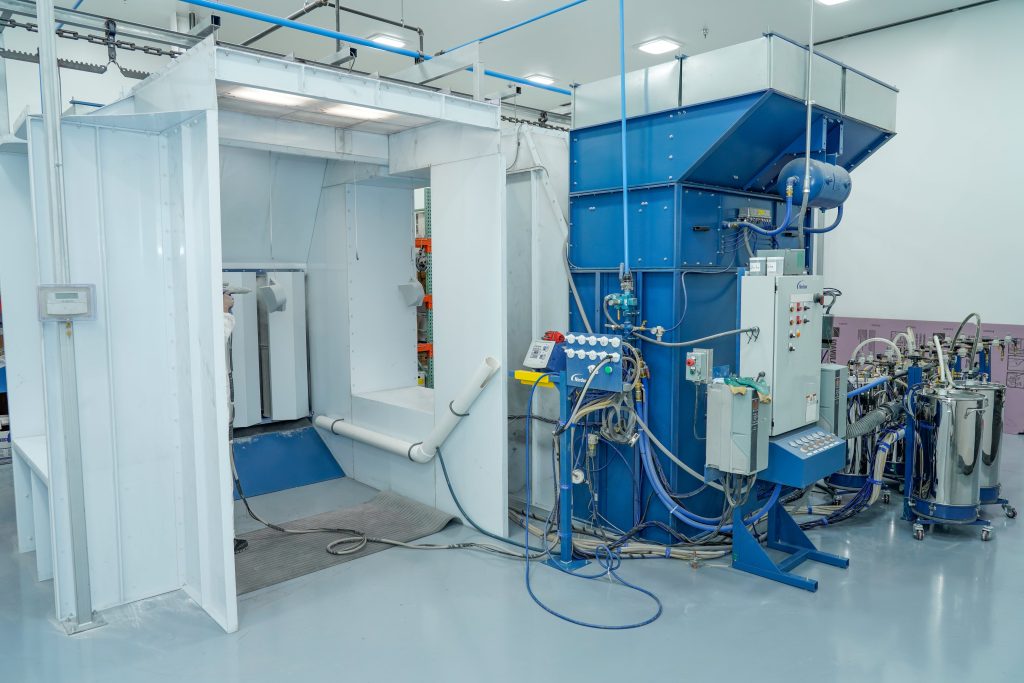
2nd Facility
21,200+
sq-ft coating facility.
Latest Powder Coating Technologies
Precision Finishing.
Delivered Fast.
Trusted by industrial manufacturers across a wide range of industries.
Because getting it right the first time, every time, is non-negotiable.
CLIENT STORIES
Hear from Our Customers
Diamond Metal Finishing has significantly eased our finishing process challenges, consistently accommodating and expediting to meet our tight timelines. Their support has positioned Star Precision to reach new heights, growth that would’ve been difficult without such a reliable finishing partner.
Mike B.
Quality Manager, Star Precision
How Star Precision Streamlined Production with Reliable Metal Finishing
How Metal Techniques Solved Lead Time & Quality Issue.
join the success
These are just a few of our successful clients

What services does Diamond Metal Finishing offer?
We offer a full range of metal finishing and industrial printing services, including: Powder Coating, Anodizing (Type II & Type III), Chromate Conversion (Chem Film), Screen Printing, Laser Engraving, Digital Printing, and Traffic Sign Printing. Our services are trusted by various industries, such as aerospace, energy, manufacturing, and municipal sectors. The team consists of industry experts with a commitment to quality.
How is pricing determined?
Pricing depends on several factors: type of service (e.g., powder coating, anodizing, traffic signs), part size, quantity, and any custom requirements. For the most accurate estimate, send us your drawings, photos, and finish specifications.
What is the typical lead time for metal finishing orders?
Most projects are completed within 5 business days. Turnaround time varies by service (powder coating vs. anodizing), volume, and workload. Expedited services are available upon request.
Do you require minimum order quantity requirement?
We do not have strict minimums. Whether you need one prototype part or a high-volume production run, we can help. Larger batch sizes typically result in better pricing.
What quality standards does DMF follow?
We follow industry best practices for all types of services. Our team can meet MIL-SPEC, RoHS compliance, and other specifications based on your project needs. Quality checks are performed throughout every stage of production.
Can you provide a Certificate of Conformance (COC)?
COCs are provided upon request. A service fee may apply.
What types of metals can you finish?
Can you match custom colors or textures?
Do you provide surface preparation before the finish?
What are your accepted payment terms and methods?
Do you offer pickup, delivery, or shipping for all services?
How can I request a quote?
Company-Related